HC penalizes Chandigarh bodies over legacy waste in Dadumajra
Chandigarh administration, MC fined ₹50,000 by HC for Dadumajra waste
The Punjab and Haryana High Court on Wednesday imposed a fine of ₹25,000 each on the Chandigarh administration and the Municipal Corporation (MC) in a petition related to legacy waste at the Dadumajra landfill. The court noted that both authorities were not providing proper replies to the concerns raised by the petitioner.
The petitions, which have been pending since 2016, seek the removal of the landfill and proper management of the accumulated waste. The ongoing legal battle also includes allegations about tampering with official documents and submitting false affidavits. The petitioner claims that the authorities have not been responding adequately to these issues.
One of the main concerns is the submission of a detailed project report (DPR) in 2023, which the petitioner alleged was “tampered.” According to lawyer Amit Sharma, the DPR was prepared by an expert in electrical engineering, instead of someone with civil or waste management expertise. The report contained more than 150 handwritten modifications to financial estimates, creating discrepancies of several crores. This, the petitioner argued, violated the Solid Waste Management Rules of 2016.
The bench, presided over by Chief Justice Sheel Nagu and Justice Sanjiv Berry, directed both authorities to respond to the issues raised in accordance with the high court rules. The court also asked for a fresh status report on the progress made in clearing the Dadumajra landfill. The matter has been scheduled for further hearing in November, and a detailed order is awaited.
During the hearing, the court sought an explanation as to why Chandigarh had not implemented the Indore model of garbage management, which is considered effective in reducing waste and improving disposal practices. The petitioner has also demanded remediation of the dump, enforcement of proper waste management practices, and strict accountability from public institutions.
Delay in clearing the dump
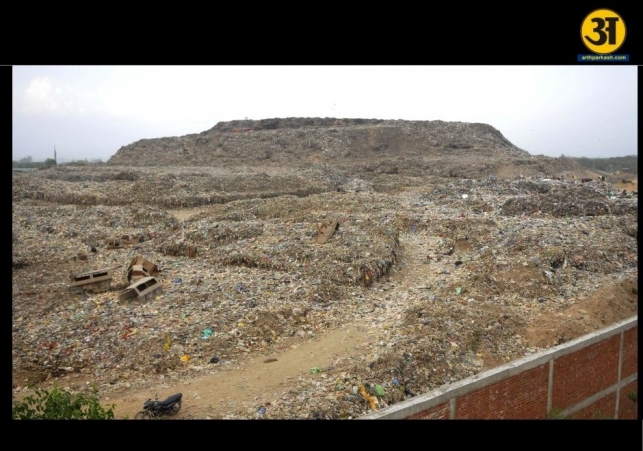
The Municipal Corporation, through advocate Gaurav Mohunta, informed the court that 48,000 metric tonnes of waste still remained at the Dadumajra site. The MC cited the monsoon season as the reason for the delay in waste clearance. On the other hand, the petitioner argued that the Union Territory administration had promised full clearance by May 31, 2025, but the dump still exists.
The ongoing issue highlights long-standing gaps in waste management practices in Chandigarh. Despite multiple petitions and assurances from authorities, the landfill remains uncleared, causing environmental and health concerns for nearby residents. The court’s fine serves as a warning to ensure that both the UT and the MC take immediate action.
ALSO READ: Inflammation linked to 60% of global deaths: What you need to know
ALSO READ: Shoe strike at Constitution: tensions rise amid hate speech
The legal proceedings also emphasize the importance of following proper procedures and submitting accurate documents. The alleged tampering of the DPR and submission of false affidavits not only delay the clearing of the landfill but also undermine public trust in government institutions.
Authorities are expected to provide a clear plan for waste removal and the implementation of effective management practices. The High Court has made it clear that regular updates and compliance with environmental regulations are mandatory. This includes timely reporting on progress, adherence to the Solid Waste Management Rules, and following models like the Indore system that have proven successful in other cities.
Public and environmental concerns
The Dadumajra landfill has been a source of concern for local residents, who face problems such as foul smell, pest infestations, and potential health risks. Environmental experts have also criticized the slow pace of cleanup and have called for stricter monitoring of waste management practices.
The court has emphasized that public institutions must be held accountable. Both the Chandigarh administration and the Municipal Corporation must ensure that legacy waste is properly removed and that future waste management follows strict guidelines. Failure to comply could result in further legal action and fines.
The petitions highlight systemic issues in managing solid waste, including poor planning, lack of expertise, and slow implementation of projects. By imposing fines, the High Court has sent a strong message to authorities that accountability and timely action are essential.
Moving forward, the authorities will need to present a concrete plan for clearing the remaining 48,000 metric tonnes of waste. Effective management systems, regular monitoring, and strict adherence to environmental laws will be crucial to prevent further accumulation of garbage at Dadumajra or other sites in Chandigarh.
Residents, environmentalists, and legal experts are closely watching the case, as it has broader implications for urban waste management in the Union Territory. Proper enforcement of rules, timely removal of waste, and accountability from public institutions are expected to improve the situation and prevent similar problems in the future.
Related News